
Acid Reflux / GERD
Ayurvedic Name: Amlapitta
Primary Dosha Involved: Pitta (with Vata involvement)
Overview
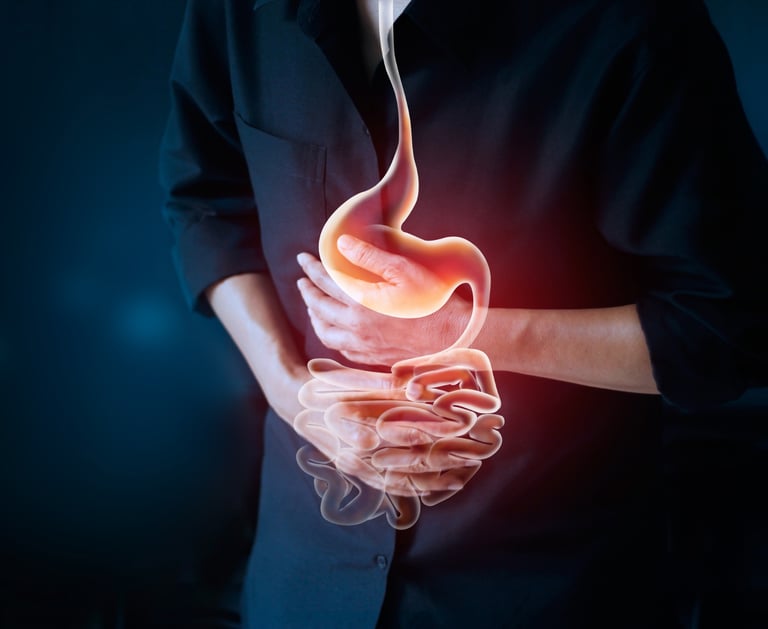
Acid reflux, commonly known as GERD (Gastroesophageal Reflux Disease), is one of the most widespread digestive complaints today. In Ayurveda, this condition corresponds to Amlapitta, a disorder characterized by excessive acidity, sour belching, burning sensations, and upward movement of aggravated Pitta in the digestive system. When Pitta becomes overly hot, sharp, and unstable, it rises upward—leading to heartburn, regurgitation, and upper GI discomfort.
Modern lifestyle factors such as irregular eating, skipping meals, excessive caffeine, stress, fried foods, and eating late at night make this a growing concern globally. Ayurveda offers gentle yet powerful guidance to cool the digestive fire and restore harmony to the stomach and esophagus.


Ayurvedic Understanding of Amlapitta
Amlapitta develops when:
Pitta increases excessively (due to hot, spicy, oily, sour foods)
Agni becomes irregular or overactive
Vata becomes aggravated, pushing stomach acids upward
Ama (toxins) form due to poor digestion
Annavaha Srotas (digestive channels) become irritated
Amlapitta develops gradually through a predictable Ayurvedic disease pathway. In its early stages, the digestive fire (Agni) becomes disturbed—either too sharp (tīkshna) or irregular (vishama). This happens due to dietary triggers, emotional stress, overeating, late eating, or long gaps between meals. As Agni weakens or becomes erratic, food is not digested properly, leading to the formation of Ama (toxic, undigested residue) in the stomach.
With repeated exposure to the same causative factors, Pitta dosha becomes aggravated, increasing heat, acidity, and sour qualities within the stomach. As Pitta accumulates, it begins to mix with Ama, creating an unstable digestive environment. Over time, the stomach acids become excessively sour and mobile, rising upward into the esophagus—especially when Vata becomes aggravated through irregular eating, stress, or dryness. This upward movement (Urdhwaga) of aggravated Pitta is the hallmark of Amlapitta.
If unaddressed, this process irritates the lining of the digestive tract, weakens Agni further, increases inflammation, and eventually leads to chronic patterns of heartburn, discomfort after meals, and hypersensitivity to even mild foods. In long-standing cases, both Pitta and Vata continue to push each other out of balance, creating a cycle where digestion becomes progressively more reactive and easily destabilized.
Modern Biomedical Explanation (Parallel to the Ayurvedic View)
From a biomedical perspective, acid reflux and GERD develop when the lower esophageal sphincter (LES) — the muscular valve that separates the stomach from the esophagus — becomes weakened, relaxed at the wrong times, or exposed to excessive intra-abdominal pressure. When this valve doesn't close properly, acidic stomach contents move upward into the esophagus, causing irritation, heartburn, and inflammation.
The earliest stage of progression begins with irregular eating habits, high-acid or spicy foods, overeating, chronic stress, and late-night meals, all of which stimulate excessive gastric acid secretion. This mirrors Ayurveda’s description of increased Pitta (heat, acidity) in the stomach. As acid production rises beyond what the stomach lining can buffer, the system becomes more vulnerable to irritation.
Next, factors such as anxiety, poor sleep, long gaps between meals, and dehydration can trigger sympathetic overdrive and digestive dysregulation. This corresponds to Vata aggravation in Ayurveda. During these periods, the motility of the gastrointestinal tract becomes erratic, leading to increased stomach pressure, delayed gastric emptying, or spasmodic movement — all of which push acid upward toward the esophagus.
Repeated exposure of the esophagus to acid leads to inflammation, erosion of the mucosal lining, and hypersensitivity of the esophageal nerves. These changes explain the burning sensation, sour taste, and chest discomfort associated with GERD. When chronic, the esophagus may become more reactive, creating a vicious cycle in which even mildly acidic foods provoke intense symptoms. This parallels Ayurveda’s understanding that once Agni is weakened and Pitta becomes unstable, the system becomes highly sensitive and easily aggravated.
Over time, untreated GERD may progress to complications such as esophagitis, strictures, Barrett’s esophagus, or chronic cough due to micro-aspiration — reflecting Ayurveda’s view that long-standing Amlapitta can disturb multiple srotas (channels) beyond the stomach.
Key Classical Features of Amlapitta:
Amla udgara (sour belching)
Daha (burning) in chest or throat
Gaurava (heaviness)
Utklesha (nausea)
Urdwaga Amlata (acid rising upwards)
In many cases, this condition reflects a combination of Pittaja Amlapitta (excess heat) and Vatika Amlapitta (acid being pushed upward due to Vata).

🔥 Root Causes (Nidana)
Factors that increase Amlapitta:
Eating very spicy, sour, fried, or acidic foods
Skipping meals → irregular agni
Chronic stress, anger, or anxiety (mental Pitta aggravation)
Smoking, caffeine, alcohol
Eating late at night
Overeating or eating too quickly
Lying down soon after meals
Frequent consumption of fermented foods, vinegar, tomatoes, citrus, and
chilies
According to Ayurveda, Pitta aggravation combined with Vata disturbance leads to acids rising into the esophagus.
Symptoms
Common symptoms include:
Burning sensation in stomach or chest
Sour taste in the mouth
Bloating and belching
Acid rising upward
Loss of appetite or excessive hunger
Nausea
Dryness or throat irritation (due to Vata)
Bitter taste in the mouth
Constipation or irregular bowel movements (Vata association)
Foods to Favor
Cooling & Alkalizing Foods
Cooked oats, quinoa, barley
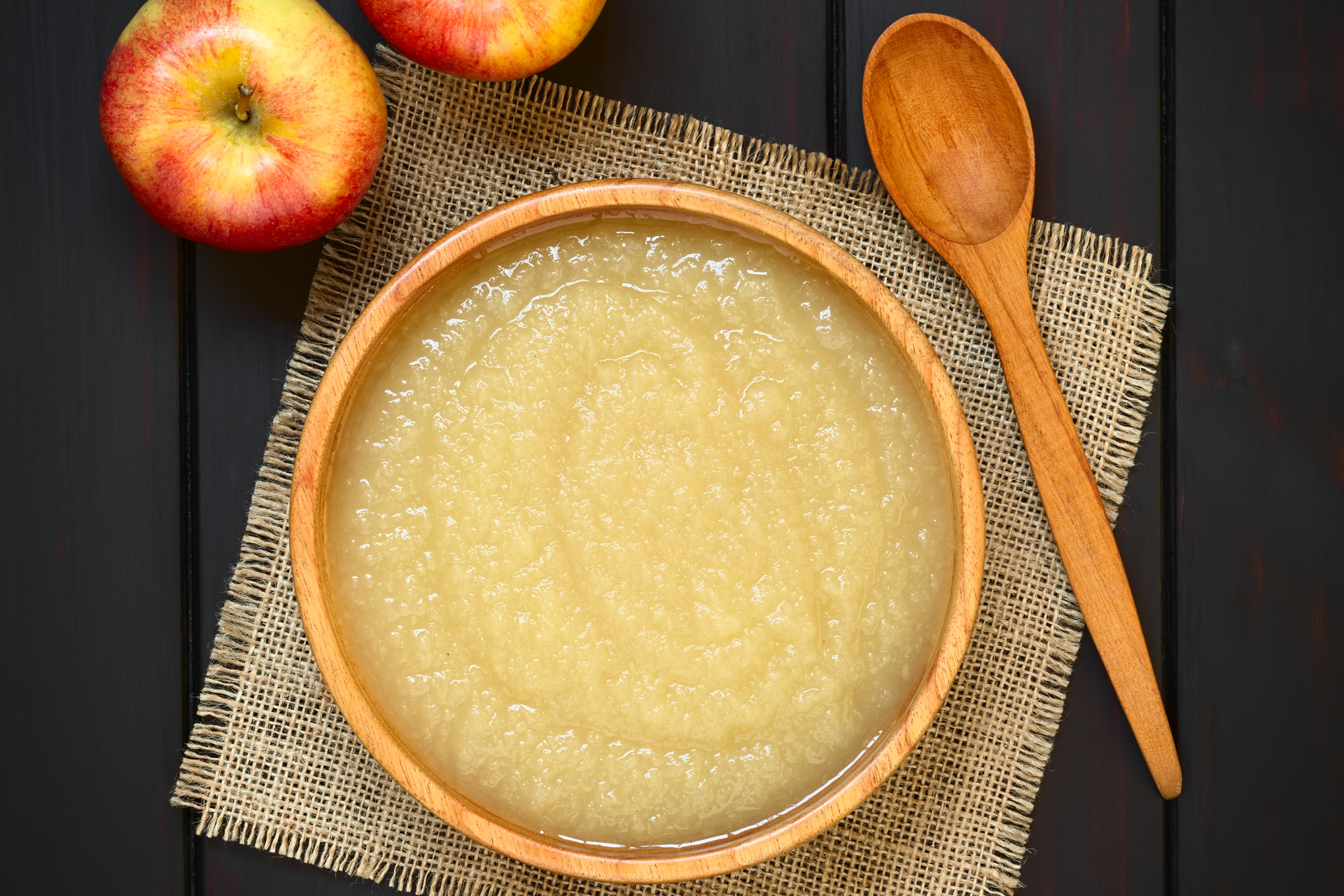
Stewed apples or pears
Light, cooling vegetables (zucchini, bottle gourd, ash gourd, sweet potato)
Ghee (in small quantities)
Mung dal khichdi
Warm milk with ghee (if tolerated)
Basmati rice
Fresh coriander, mint, fennel
Room-temperature coconut water (midday only)
These foods help soothe aggravated Pitta and stabilize digestion:
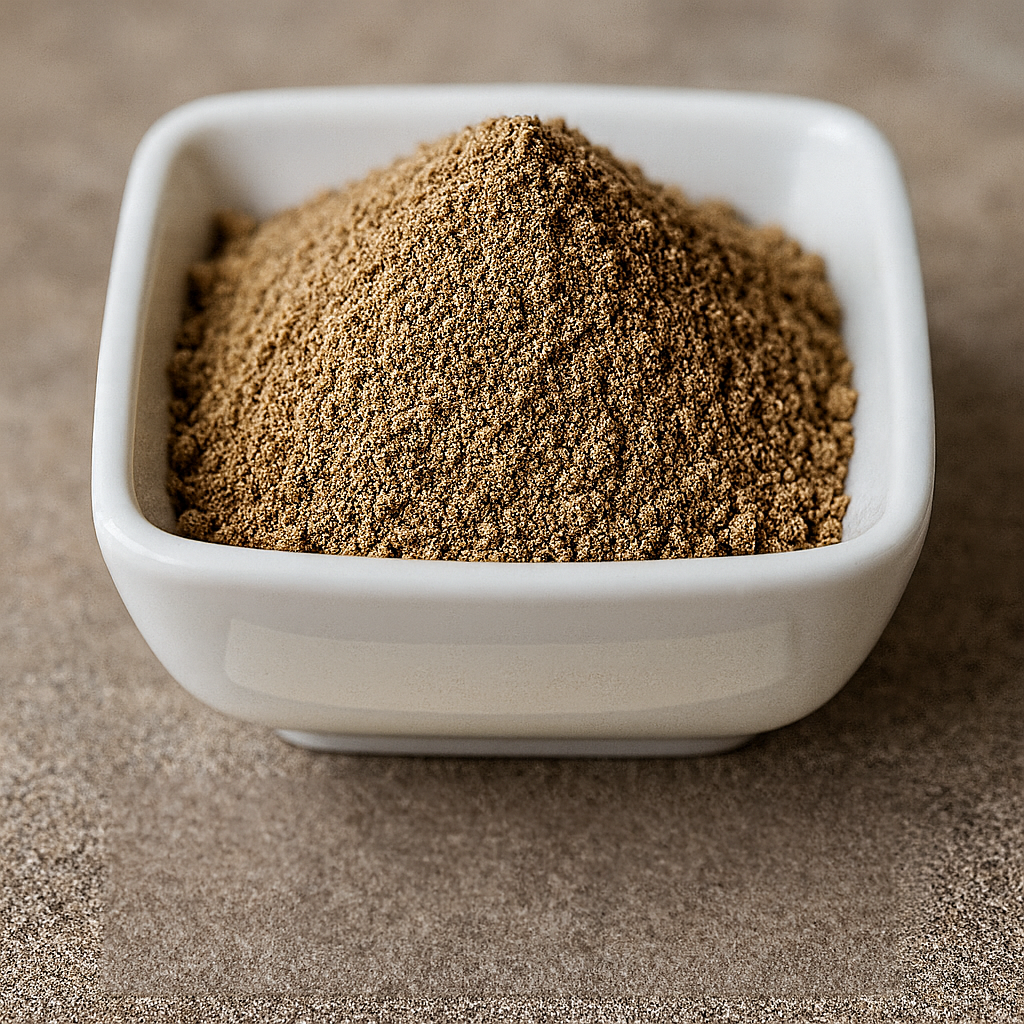
Herbal Spices (Mild, Cooling Digestives)
Fennel
Coriander
Cardamom
Cumin
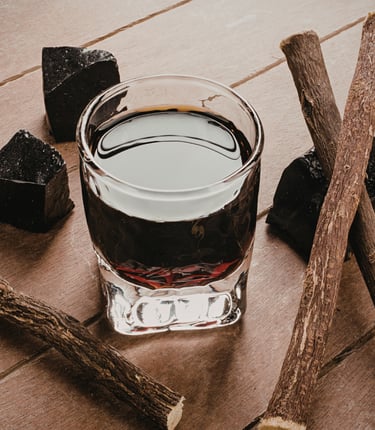
Licorice
Fresh ginger (in small amounts)
Functional Ayurvedic Foods
Aloe vera gel (soothing to Pitta)
Buttermilk with cumin + coriander
Pitta-pacifying soups and stews
Foods to Avoid (Major Triggers)
These foods directly worsen Amlapitta:
Tomatoes, vinegar, citrus fruits
Chilies, garlic, onions (especially raw)
Coffee, black tea, chocolate
Deep-fried foods
Heavy meats
Canned, packaged, or fermented foods
Carbonated drinks
Alcohol (especially wine and spirits)
Eating fruit with other foods
Red meat
Excess salt
Book Your One-on-one Consultation with Dr. Shashina
You didn’t come this far to stop. Make your health your priority!


Top rated by 10k+ clients
★★★★★
Lifestyle Recommendations
Eat meals at regular times each day
Avoid eating large meals at night
Sit upright for at least 20 minutes after eating
Avoid lying down after eating
Practice slow mindful eating
Reduce stress with pranayama
Incorporate cooling practices like Sheetali or Sheetkari pranayama
Drink warm or room-temperature water (avoid cold water)
Avoid skipping meals


Suggested Recipes
Connect
Questions? Reach out anytime, we're here.
© 2026. All rights reserved.